Gift-giving has always been about more than just exchanging objects; it’s about conveying emotions, strengthening bonds, and creating lasting memories. A bouquet, a box of chocolates, or a personalized keepsake can say “I care” in ways that words alone often cannot. In today’s competitive gift industry, brands are increasingly focusing on these emotional connections. We will dive into various aspects of what, when, how and why in this multipart series to help reimagine what gifting will be, specifically focusing on how video content is changing everything around us.
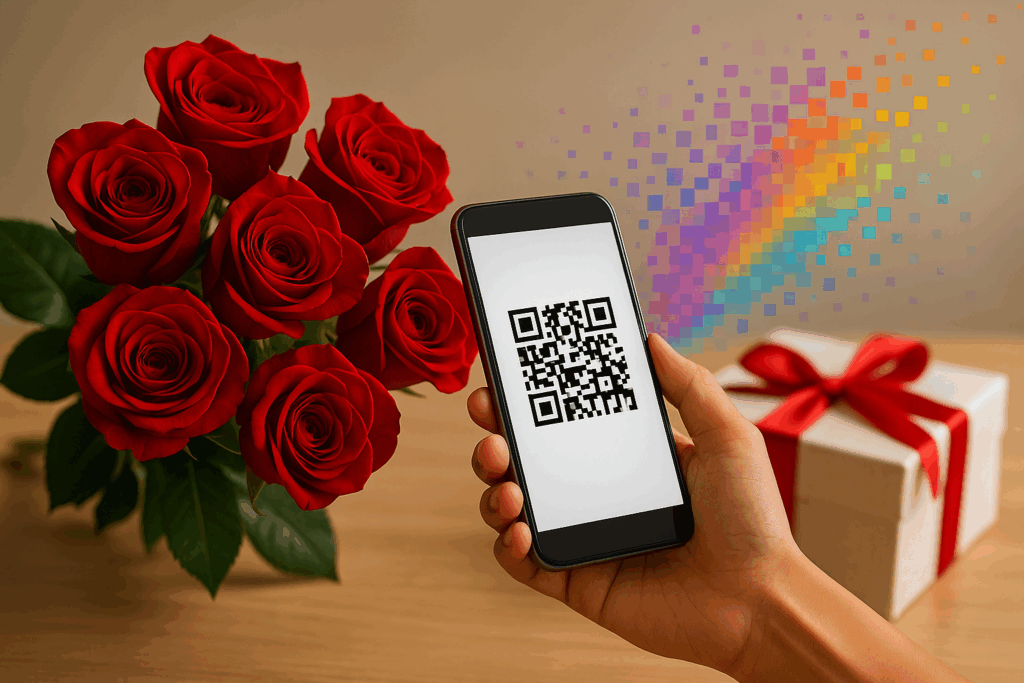
Imagine receiving a bouquet of roses from a loved one. It’s beautiful and fragrant, but a week later, the petals have wilted, and only a faint memory remains. Now imagine that same bouquet arriving with a QR code or link to a heartfelt video message from the sender. Years later, you can replay that video, see their smile and hear their voice, reliving the moment as if it were yesterday. In an era dominated by Instagram Reels, TikToks, and YouTube Shorts, such dynamic media is reshaping how we experience gifts and, more importantly, the emotions they carry. The world around us is changing; ubiquitous smartphones and easy video creation have ushered in a new video-first reality where consumers increasingly expect rich, interactive content with every experience. This evolution presents a unique opportunity for the gifting industry (and retail at large) to blend the timeless charm of physical gifts with the lasting impact of digital media.
Let’s examine how consumer expectations have shifted with technology, how different generations engage with content, what adjacent industries are doing with innovation, and why personalized, emotional experiences are becoming the new competitive frontier. We will look at shifts, demographic drivers, and opportunities in physical and digital realms. In a nutshell, we will be answering the following questions:
- How can we enable a truly novel way to delight customers and create connections that last?
- How do we seamlessly bridge physical gifts and digital experiences to create memorable, lasting, shareable moments?
The Shift: An Experience-First, Video-Based World
It’s no secret that video has become the universal language of the digital age. The explosive growth of short-form video platforms has fundamentally changed how people communicate and what they expect from content. Today’s consumers scroll through immersive videos daily from heartfelt personal vlogs to slick branded stories and this is raising the bar for every industry, gifting included. In fact, video is now considered more important to consumers than ever, with 89% of people saying they want to see more video content from brands. Plain text or static images no longer suffice to capture the modern consumer’s attention and emotions.
Advances in both software and hardware drive this shift. Social apps like TikTok, Instagram Reels, and YouTube have made creating and consuming videos frictionless. Simultaneously, smartphones put high-quality cameras and editing tools in everyone’s pocket. The result? Consumers have grown accustomed to rich media at every touchpoint. They don’t just enjoy video content; they expect it. One survey found that people are 52% more likely to share video content than any other type a testament to video’s power to engage audiences and encourage word-of-mouth. For retailers in the gifting business, this means a beautiful bouquet or a thoughtful gift might capture a customer’s heart. Still, a beautiful bouquet or a gift with an accompanying video can capture their heart and attention online (prompting shares, re-watches, and discussion in ways static gifts alone can not).
While most people look back on the COVID-19 era with unpleasant memories, it did have a longer-lasting positive effect in some areas. As human interaction went virtual, even late adopters became comfortable with video calls, QR code menus, and augmented digital communication. Activities that once felt futuristic, scanning a code to get information or watching a clip, are now second nature for many. Consumers learned that a tiny square barcode on a card can unlock an entire experience. This mainstreaming of “phygital” (physical + digital) interactions means that adding a digital layer to a physical gift no longer feels like a tech gimmick; it feels natural, even intuitive. People now instinctively raise their phone cameras to scan anything that hints at interactive content. In short, technology raised consumer expectations for seamless, content-rich experiences, and businesses must keep up. To remain relevant, gift retailers need to meet customers where they’ve evolved, in a world where video and interactivity are standard components of meaningful exchanges.
Dissecting the various areas that are impacted by, or impact, all these changes will help us understand the direction the consumer is heading.
Generations and Content: Different Lenses, One Trend
While video content is widely embraced, different generations interact with media in their own ways. While numerous studies and articles have been published in this realm, consolidating and framing for the gifting industry consumption is beneficial. Understanding these nuances is key to crafting experiences that feel frictionless for everyone from Gen Z to Baby Boomers.
Gen Z and Gen Alpha (Digital Natives)
For the youngest consumers, digital content isn’t an add-on; it’s a way of life. This cohort grew up with YouTube as a teacher and TikTok as a social hangout. They are adept at creating and consuming short videos, and they crave authenticity and interactivity. Gen Z in particular spends astounding amounts of time with video: one study found that 58% of Gen Z’s video viewing time is on social media platforms (like TikTok and Instagram), eclipsing traditional streaming TV. They effortlessly navigate new apps and will happily scan a QR code or use AR lenses if it enhances the experience. To engage these young customers in gifting, the content must be mobile-friendly, fun, and instant. A static note in a flower bouquet may not even register, but a QR code that opens a personal video message could delight them. Frictionless is the key here; if it’s easy and shareable, Gen Z will embrace it.
Millennials and Gen X (Bridge Generations)
These groups straddle the before-and-after of the digital revolution. Millennials (now in their late 20s to 40s) are generally comfortable with tech and were early adopters of social media; Gen X (40s to mid-50s) experienced life pre-Internet but adapted as technology evolved. Both generations extensively use platforms like Facebook and YouTube, and many have integrated video content into their routines. For instance, across demographics, Facebook remains a top platform for sharing personal videos, and about 40% of Gen X users report sharing videos on Facebook. Millennials and Gen X might not gravitate to every new app du jour. Still, they appreciate meaningful content; a touching video of their kids or a nostalgic montage will resonate deeply. They are also the ones who often buy gifts across channels, so they value convenience. A Gen X shopper buying anniversary flowers might appreciate the ability to add a video message for their spouse if the process is straightforward. These generations respond well when technology is positioned as enhancing the sentiment (rather than as a flashy trick). If scanning a code on a bouquet yields a moving slideshow of memories or a spoken-word message, it can turn a routine gift into an unforgettable one.
Baby Boomers (Late Adopters, Growing Engagement)
Many Boomers (mid-50s to 70s) have historically been slower to adopt new digital behaviors, but that’s changing rapidly. The pandemic era saw a surge in video call usage among older adults, and many discovered the joy of virtual connection. Older consumers indeed use digital video differently; for example, they spend more time on streaming services or Facebook videos and less on TikTok. Yet they are consuming more digital content than ever and increasingly recognize its value in staying connected with family. A recent Deloitte study noted that even Boomers are embracing streaming and some social video content, contributing to a broader trend of video fragmentation by age. When it comes to gifting, Boomers may need the most user-friendly approach: for instance, a straightforward printed QR code with clear instructions, or maybe even a pre-loaded video player device included with a gift. But if made simple, many will participate. After all, the notion of hearing a loved one’s voice or seeing them on video attached to a gift can be profoundly moving for someone who recalls when long-distance phone calls were a luxury. The key is to consolidate generational behaviors into a cohesive, frictionless experience that’s easy enough for a grandparent yet novel enough for a teenager. Fortunately, technology is heading that way: scanning a QR code or tapping an NFC tag is now as easy as making a phone call, and everyone knows how to press a Play button on a video.
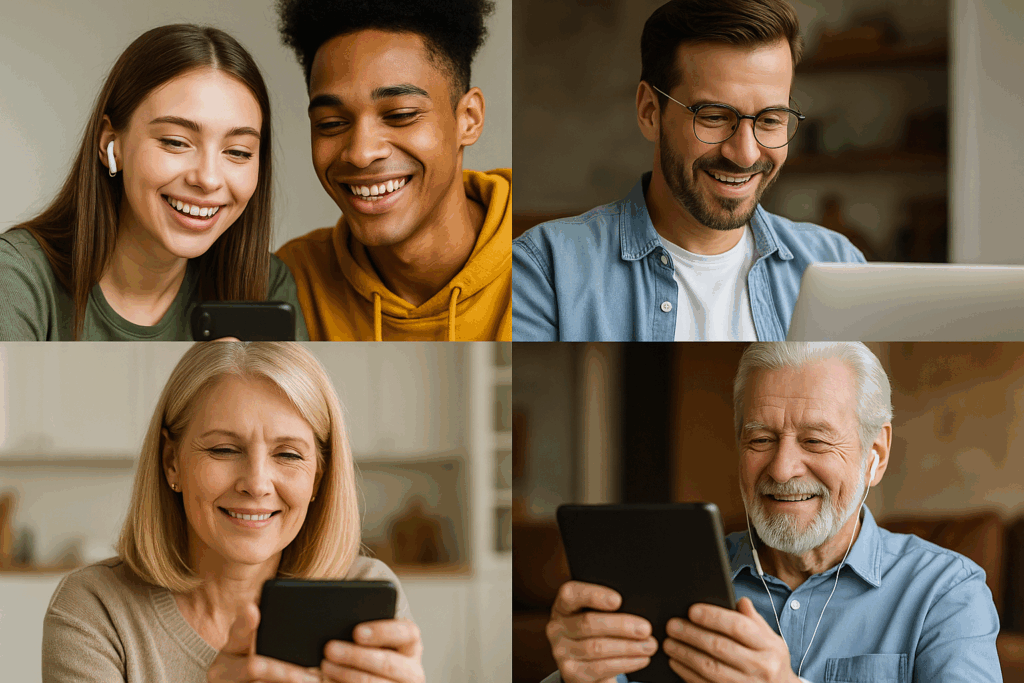
Despite their differences, what’s striking is that all generations are increasingly open to video content, engaging with it across different platforms and at varying comfort levels. The common thread is that meaningful, easy-to-access content can enhance the gifting experience for young and old alike. Everyone values feeling connected. By tailoring the delivery (e.g., platform, format) to each demographic while keeping the content heartfelt, the gifting industry can create inclusive video-enhanced experiences. A Gen Z recipient might share their video gift on TikTok, a Millennial might save it to the cloud, a Boomer might replay it on a tablet, but in each case, the emotional impact is there. The future of content is multi-generational and “omnichannel”: a truly frictionless experience ensures that the joy of a video message tied to a gift transcends age brackets and technical skill.
Inspirations: Learning from Video Innovations
Forward-thinking companies in adjacent industries like greeting cards, keepsakes, and even confections have begun weaving video and dynamic media into their products, proving that blending physical and digital can amplify customer delight and create a deeper connection.
Greeting Cards Go Digital
Perhaps the most apparent parallel is the traditional greeting card industry. Even this 100+ year-old business has evolved, as exemplified by Hallmark’s launch of Video Greeting Cards. Hallmark recognized that a paper card with a heartfelt note is cherished, but a card that also carries a personal video message can create “one-of-a-kind moments that last a lifetime”. As Hallmark’s Chief Marketing Officer explained, this “blends the digital and physical connections consumers want” in an immersive, replayable way for years to come. Think about that: a birthday card is no longer just a one-time read; it can become a living memory, replayed on each birthday or whenever one needs a smile. While Hallmark’s Video Greeting Cards implementation was discontinued due to more agile competition and other internal pressures, the prevalence of cards with personalized video content is growing in major online retailers.
Photo Albums and Memory Keepsakes
Another adjacent space embracing video is the photo printing and album industry. Companies that create photobooks and scrapbooks have started letting customers embed QR codes that link to digital videos. One photobook service proclaims that memories “deserve to move, speak, and be relived,” enabling users to add scannable video links alongside their photos. Parents can augment a baby’s first-year album with a clip of the first steps; a couple can enrich a wedding album with a video of their vows. Adding video “takes your storytelling to a whole new level,” as it allows the narrative to jump off the page. The lesson for gifting is clear: people don’t just want a static record of a moment, they want the emotional vibrancy of that moment. If a flower delivery includes a link to a video of the sender saying “I love you” or a montage of shared memories, it would transform the gift from a static gesture into a dynamic story the recipient can treasure.
Corporate Gifts and Events
Beyond personal gifting, corporate gifting and events are also finding value in video. We see companies replacing or augmenting the usual swag and gift baskets with video messages for clients or employees. In one recent example, online florist UrbanStems integrated a video-messaging app into its ordering, allowing customers to add “heartfelt video messages to floral gifts in seconds,” and a corporate gifter (Insomnia Cookies) used the same to send personalized video notes with its treats. The result for retailers was two-fold: it deepened the emotional connection with recipients and created a new marketing channel. The video landing page could subtly encourage the gift recipient to become a customer themselves. In other words, when the delighted recipient of a flower bouquet watches a personal video message, they’re brought to a branded microsite in that moment of joy, where they might be prompted with a gentle call to action (like “send a gift in return” or a discount on their first order). Adjacencies like this demonstrate a powerful idea: by meeting recipients at the exact “moment of delight,” brands can unlock conversions and engagement that traditional methods might miss. A bouquet tied to a video is not just a one-way gift. It becomes an interaction, possibly even the start of a new customer relationship.
Confections, Toys, and Beyond
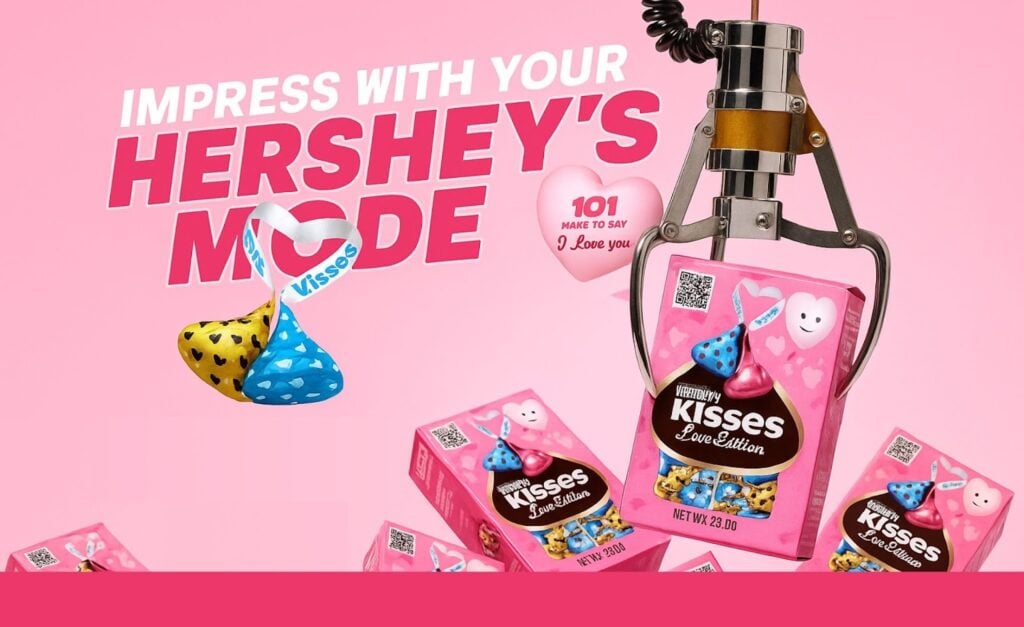
We’re also seeing video and augmented content pop up in creative ways elsewhere. One compelling case study illustrating the power of personalization comes from Hershey’s Kisses in Southeast Asia, which leveraged the BrandLens platform on a groundbreaking campaign. Customers who bought Hershey’s chocolates could add a personalized video message to the gift. The results were remarkable: over 300,000 consumers participated, creating more than 20,000 unique video messages, with an engagement rate of 35% far above industry benchmarks. These video-enhanced gifts lived on in recipients’ phones, providing “lasting emotional memories” and strengthening brand affinity for Hershey’s. In short, by adding a deeply personal, emotional dimension to a traditional gift, Hershey’s proved that memorable experiences can drive meaningful consumer engagement and loyalty. When gifts carry personal stories, the gifting experience becomes unforgettable for the recipient and this enables the brand to earn a place in that emotional memory.
Toy manufacturers include QR codes that show a toy’s “unboxing” or a greeting from a character, delighting both kids and adults. Even industries like travel and hospitality inspire: think of interactive postcards, or hotels sending a personalized welcome video from the concierge before you arrive. All these examples share a common thread: personalized video content enriches a physical product or experience, making it more engaging, memorable, and shareable.
For the flower and gifting industry, the takeaway is that this trend is not happening in isolation. Consumer-facing brands across sectors are infusing digital content into their offerings to meet modern expectations. Gifting companies can confidently innovate in this space knowing that customers are increasingly receptive to (and enchanted by) such experiences. After all, if people enjoy a video message in a greeting card or a photo album, why wouldn’t they love one accompanying a bouquet of flowers? The concept aligns perfectly with the core purpose of gifts: creating a meaningful connection. By borrowing ideas from these adjacent innovations, flower retailers can leapfrog into a future where a gift is not just a product, but a platform for personalized storytelling.
Final Thoughts for Part 1: A Moment, A Memory, A Movement
Gifting has always been an act of meaning—but in a world shaped by short-form content, seamless tech, and rising emotional expectations, how we create that meaning is evolving fast. Consumers across generations now expect more than objects; they crave moments that feel personal, connected, and lasting. As we’ve seen from industries like greeting cards, chocolate, and photo books, adding a layer of dynamic, personalized experience doesn’t just amplify delight—it transforms the gift itself into a lasting memory.
This moment represents more than a trend. It’s a call to action for innovation and product leaders in the gifting space to reimagine physical gifts as platforms for connection. Whether it’s a bouquet, a box of cookies, or a plush toy, when accompanied by heartfelt, easily accessible content, it becomes more than a transaction. It becomes a relationship.
The tools exist. The behavior is there. The opportunity is clear: those who lead with emotionally intelligent, experience-first innovation will not only delight consumers, they’ll earn a lasting place in their hearts.
The greeting card industry has essentially added a time machine into its products, allowing people to relive sentiments on demand. Flower retailers can take a page from this playbook: just as a card can carry a video, why not a bouquet?

What’s Next? A Look at Personalization, Loyalty, and the Phygital Future
Coming up in Part 2 of this series:
- Why personalization isn’t just a trend—it’s a business imperative, with 71% of consumers expecting brands to know them.
- How emotionally resonant experiences drive loyalty more than discounts or points ever could.
- What “phygital” really means, and how bridging physical gifts with digital memories transforms transactions into emotional keepsakes.
- How gifting brands can stand out in crowded markets by becoming “curators of connection,” not just product providers.
- Strategic moves that delight customers, impress executives, and future-proof your brand.
Get ready to explore the emotional, measurable, and memorable frontier of gifting, where tech fades into the background, and human connection takes center stage.