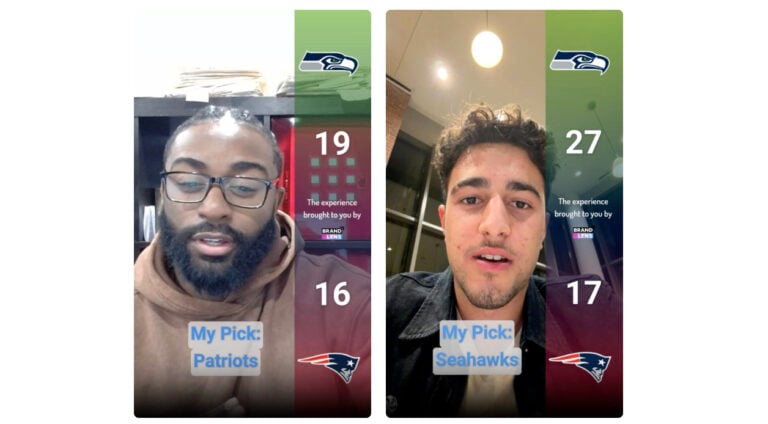
Most organizations say video is a priority. Nevertheless, they collect video submissions, like it’s tax paperwork. A link goes out. Someone uploads a file. A folder fills up. A teammate renames clips so they look “organized.” Feedback shows up in Slack. Then permissions get weird, and Rights are “handled later.” Three weeks later, nobody can find the one clip that actually mattered.
That workflow isn’t just clunky. It hides operational risk.
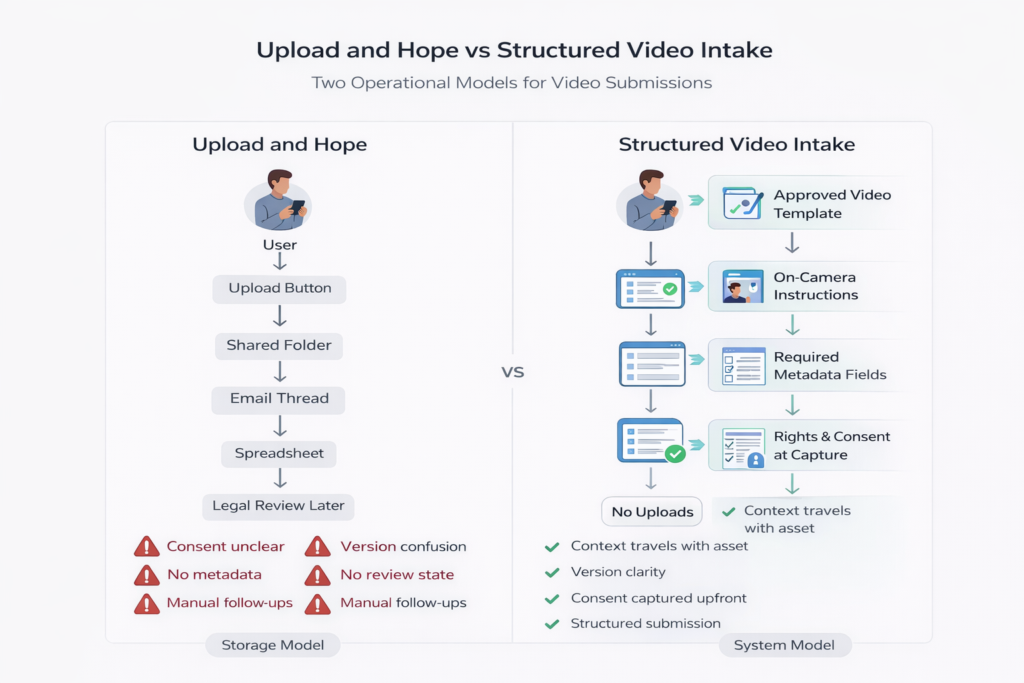
My stance is simple: teams still treat video submissions like file transfer. The folders create the illusion of control. Meanwhile, the real work and the real failure modes sit outside the structured video intake system.
This is the Video Submissions Platform category, and it matters because the teams that fix intake, not storage, end up moving faster with less chaos. As a result, BrandLens video submissions & UGC collection is designed specifically to challenge that outdated model by turning video collection into guided, structured experiences rather than random uploads.
Why Video Submissions Became Synonymous With File Uploads
The folder metaphor is one of the most successful interface ideas of all time, which is exactly why it’s hard to escape. It taught generations of people how to “organize” information, and it created a feeling of safety: if it’s in a folder, it’s handled.
Under the hood, the internet also trained us to think this way. The File Transfer Protocol standard is literally about moving files between systems, and file upload on the web was formalized early through standards work that made “attach a file” a default web behavior. FTP standard from 1995: RFC 1867.
Once those two forces met, UI plus network primitives, enterprise tools followed the path of least resistance. You can see it in modern “file request” features: the UX is a link that drops uploads into a chosen folder. That is useful, but it’s still a file transfer dressed up as intake. BrandLens features illustrate how modern guided capture replaces the upload paradigm.
The strategic consequence is subtle: if the default toolset makes intake feel like “just get the file,” teams rarely design submission as a system with UX, policy, data, workflow, and governance. Ultimately, they inherit a folder, and then they build a human process around it.
How “uploads plus folders” fails at scale
Folder workflows do not usually fail dramatically. They fail by turning every submission into a small mystery, and every mystery into a time tax.
You start with a simple question: “Can we receive videos?”
However, you end with a harder question: “Can we consistently produce usable clips that we are allowed to use, can find later, and can prove were handled correctly?”
Most folder based workflows answer the first question, and quietly fail the second.
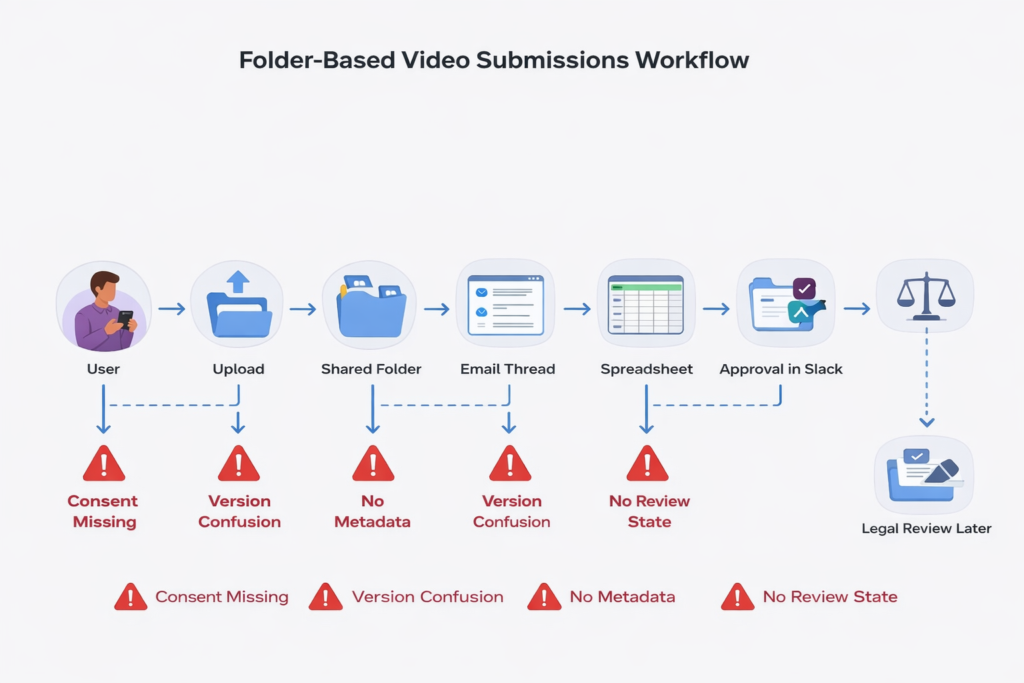
Context gets separated from the video submissions
Video submissions are never just video. They are intent, usage, approvals, and rights. In folder workflows, that context lives in email threads, Slack messages, spreadsheets, and someone’s memory.
That is why “search” becomes your hidden headcount. McKinsey’s widely cited productivity work estimated that knowledge workers spend meaningful time tracking down information, including searching through email, and the number is big enough to matter at the scale of a marketing or creative ops team.
Downstream cost shows up as rework when context is detached. Resulting in more clarification calls, more “can you resend,” more “which version is final,” more “who approved this.”
Version control becomes a naming convention
In practice, folders are not review workflows. They are storage locations.
The moment you start approving creative through chat threads and email chains, you’re relying on humans to manage version history through file names. That works until you scale, or until a single person is out of the office, or until someone reuploads a “final” that overwrites the prior “final.”
Rights and consent get bolted on late, or never
This is where folder workflows become risky. If submissions include personal data, which they often do, consent can’t be vibes. GDPR consent guidance emphasizes that consent requires a clear affirmative act and must be specific, informed, and unambiguous.
Folder workflows tend to treat submission as implied permission. That assumption is the first thing that breaks when content gets repurposed, amplified, or used in paid media.
Security and governance depend on humans being perfect
Folders make it easy to share quickly, which also makes it easy to share incorrectly.
The Verizon Data Breach Investigations Report shows how human driven error patterns, including misdelivery, remain a meaningful driver in real world incidents, which makes any leader nervous when their “intake system” relies on manual steps and manual sharing rules.
Discoverability collapses without structured metadata
Video is not searchable by default. Without metadata, it becomes a pile of unlabeled blobs, even if the folder structure looks tidy.
Digital asset management (DAM) guidance is blunt about this: metadata is central to discovery and management decisions, and that operational reality is exactly why structured intake matters.
What modern video submissions platform should include
A modern video submission platform is not a nicer folder. It is designed to make good submissions easy, bad submissions hard, and downstream use predictable. If you want a simple mental model, treat it like a funnel that ends in a usable asset record, not a file.
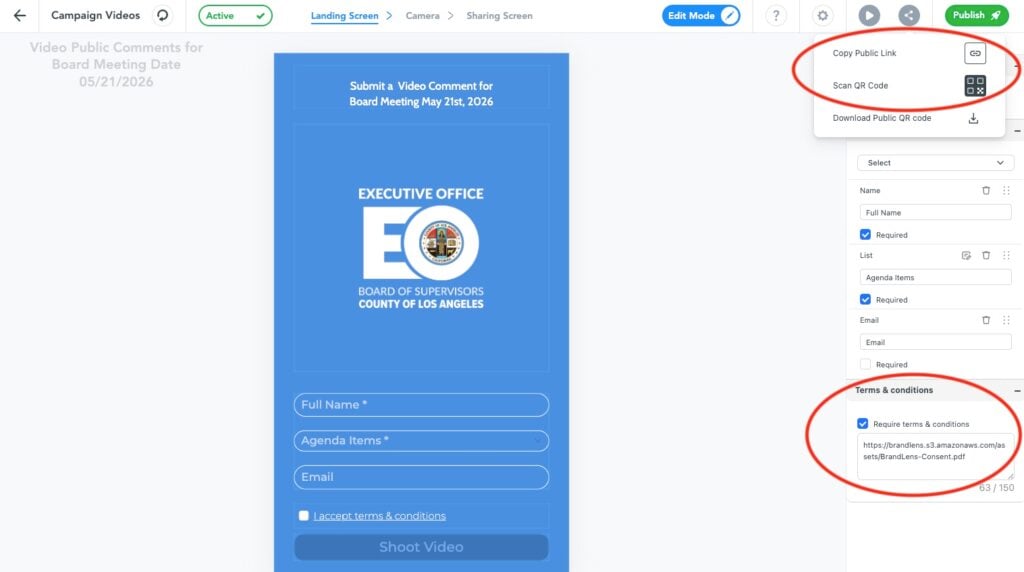
A submission UX that behaves like a product, not a dropbox
Good submission UX lowers cognitive load and prevents avoidable mistakes. Nielsen Norman Group’s work on cognitive load and form design repeatedly shows that reducing complexity and helping users recover from errors improves completion rates.
Explicit rights and consent capture that travel with the asset
If you cannot answer “what are we allowed to do with this clip” in one minute, you don’t have an intake system. You have a file pile.
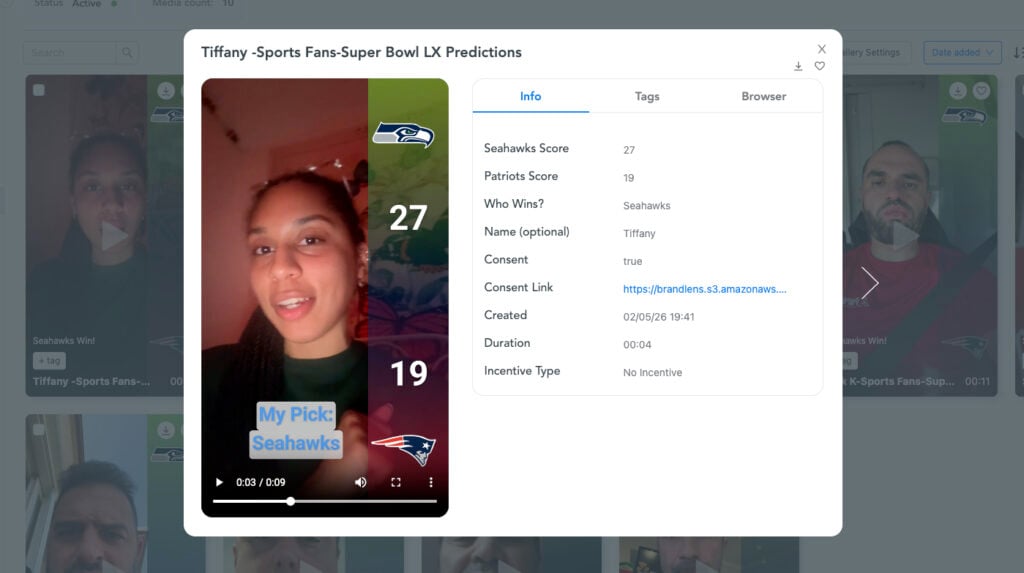
A minimal metadata schema, enforced at intake
You do not need a thousand fields. You need a minimum viable schema that makes the asset findable and governable.
Governance and chain of custody: the part marketers ignore until it bites
Governance is often framed as IT’s job. For video submissions, it is also brand risk, legal risk, and speed risk.
Where the industry is going
You can see the market converging around a few realities. First, mainstream collaboration tools keep adding “request” and “submit” features because the demand is real, but even these are fundamentally still upload into folders. At the same time, DAM and workflow platforms emphasize structured processes and metadata because they know what breaks at scale.
The maturity ladder: from folder chaos to a real submission pipeline
Level 1: Upload and hope – You send a link and receive files. Context, rights, and approvals live elsewhere. Search is manual, versioning is a mess, and “usable” is undefined.
Level 2: Folder rules and naming conventions – You add folder hierarchies, file naming templates, and spreadsheets. It feels more organized, but the system still depends on humans doing everything right.
Level 3: Form plus upload – You capture some context through a form, then collect the file. This improves metadata but can add friction.
Level 4: Designed intake system – A submission experience with guidance, enforced metadata, and consent capture. Automated checks and a clear review queue replace opinion with states.
Level 5: Governed media pipeline – End-to-end provenance awareness, audit logs, retention rules, and measurable KPIs. Chain of custody questions are answerable.
KPI checklist: measure what folders hide
- Time to usable clip
- Completion rate
- Rights completion rate
- Review cycle time
- Rework rate
- Misdelivery and access error rate
- Findability time
If your organization is serious about video, the next competitive advantage is not another camera, another creator brief, or another folder. It’s an intake system that turns participation into usable assets with speed, safety, and clarity. Treat video collection like infrastructure, and everything downstream gets easier.
FAQ
What is a video submission system?
A video submission system is an intake pipeline for receiving videos with clear instructions, required metadata, rights and consent capture, review states, and governance. It is designed to produce usable, searchable clips rather than simply store uploaded files.
How can we collect video submissions without using folders or file uploads?
Traditional file uploads send videos into folders that separate context, rights, and approvals from the asset itself. Modern video submission platforms replace that workflow with guided capture, structured metadata, and built-in consent so every clip arrives usable and organized from the start.
What should I look for in a video submission platform?
Look for guided submission UX, required metadata at intake, built-in rights and consent capture, structured review states, and auditability. If a system only stores files but does not manage context and governance, it will create operational drag at scale.
Why are folders and uploads risky for video submissions?
Folders and uploads separate context from the asset, rely on naming conventions for version control, and often push consent and rights to a later step. This creates rework, slows approvals, and introduces avoidable legal and governance risk as volume increases.
Are video uploads through shared folders secure enough for marketing use?
Shared folders are designed for storage, not governed intake. Without structured consent, audit trails, review workflows, and enforced metadata, organizations increase legal, compliance, and brand risk as submission volume grows.
How do you scale video submissions without adding more headcount?
Scaling requires automation at intake. Guided prompts, automated validation, structured review queues, and enforceable metadata reduce rework and shorten time to usable clip, allowing teams to increase output without increasing manual coordination.